
If you’re looking to create more space in your home without the stress and expense of moving house, then a loft conversion is one of the best investments you can make. However, not all loft conversions are the same, and the type you choose will depend heavily on your property’s existing roof structure. One of the most effective options for homes with sloping side roofs is a hip to gable loft conversion.
According to recent property improvement trends, loft conversions are often seen as one of the most effective ways to add usable space and potentially increase property value, with many homeowners choosing them instead of moving house, Rightmove have advice on home improvements to add value to your home.
So what is a hip to gable conversion? A hip to gable conversion is designed to maximise the available space in your loft by replacing a sloping roof with a vertical wall. This simple yet highly effective structural alteration can completely transform a cramped attic into a spacious, functional living area suitable for bedrooms, offices, bathrooms, and much more.
Over the years, DJ Moore Lofts has carried out a wide range of hip to gable conversions in Berkhamsted, Milton Keynes, Watford, and nearby areas. These projects have helped homeowners create extra living space, improve their home layouts, and better use unused loft areas. Whether you need another bedroom for a growing family or want to increase your property’s value, a hip to gable conversion can be an excellent option.
What Is A Hip To Gable Conversion? Everything You Need To Know
Hip to gable loft conversions have become increasingly popular over the last few years, particularly amongst homeowners looking to maximise space in semi-detached or detached properties. They are one of the best ways to transform awkward roof layouts into practical living spaces while also increasing property value.
At DJ Moore Lofts, we regularly carry out loft conversions in Watford and the surrounding areas, and many homeowners are surprised by just how much extra room can be created through this type of conversion.
In this guide, we’ll be covering:
- What Does Hip To Gable Mean?
- How Long Does A Hip To Gable Loft Conversion Take?
- How Much Does A Hip To Gable Loft Conversion Cost?
- Does A Hip To Gable Require Planning Permission?
- Hip To Gable Loft Conversion Ideas
What Does Hip To Gable Mean?
Before deciding whether this type of loft conversion is right for your property, it’s important to understand exactly what a hip to gable conversion involves.
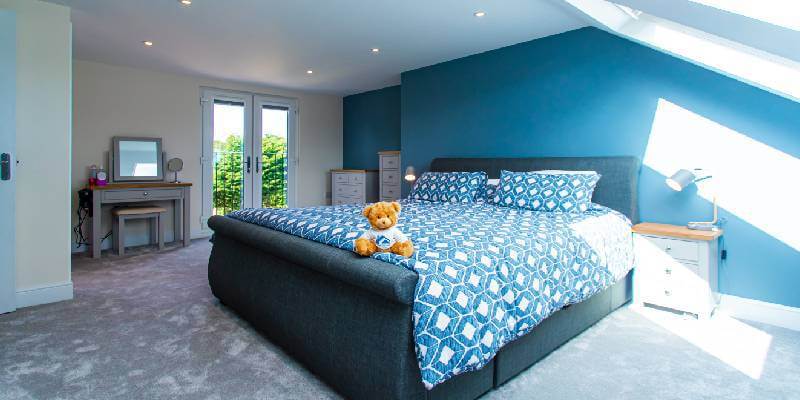
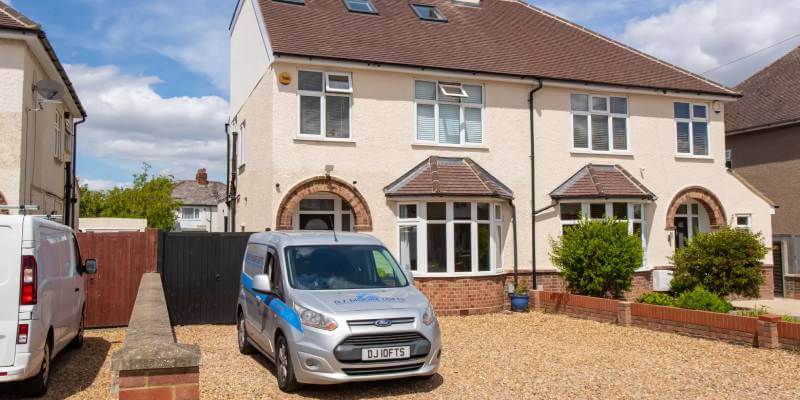
A hip to gable loft conversion is a structural alteration where the sloping side of a roof, known as the “hip”, is extended vertically to create a straight wall called a “gable”. This changes the roof shape and dramatically increases the internal headroom and usable floor space in the loft.
Hip to gable conversions are most commonly installed on:
- Semi-detached properties
- Detached homes
- End-of-terrace houses
- Bungalows with hipped roofs
Properties with hipped roofs often lose significant loft space due to the roof’s sloping sides. By converting this slope into a vertical wall, homeowners can reclaim space that would otherwise be unusable.
At DJ Moore Lofts, our specialists in hip to gable conversions in Berkhamsted and the surrounding areas regularly combine this type of conversion with a rear dormer extension. This allows homeowners to create even larger rooms and maximise the loft’s available footprint.
One of the reasons this conversion style is so popular is that it blends naturally with the existing property. When completed professionally using matching materials, the new gable wall looks like it has always been part of the home. According to Planning Portal, many loft conversions can also fall under permitted development rights, making the process far simpler than many homeowners expect.
Another major advantage is the flexibility it offers. A hip to gable conversion can be used to create:
- Additional bedrooms
- Master suites with en-suites
- Home offices
- Playrooms
- Guest bedrooms
- Hobby rooms
- Open-plan living areas
Because of the extra head height created, these lofts often feel far more spacious and comfortable than other types of loft conversions.
How Long Does A Hip To Gable Loft Conversion Take?
One of the most common questions homeowners ask before beginning any loft conversion project is how long the work will take to complete. Understandably, most people want to know how disruptive the construction process will be and how quickly they can begin using their new space.
A hip to gable loft conversion typically takes 6 to 10 weeks to complete on-site. However, when you include the initial planning, architectural drawings, structural calculations, and any required approvals, the full process generally takes between 3 and 5 months from the initial consultation through to final completion. All structural alterations must comply with UK building regulations to ensure the loft remains safe and structurally sound.
At DJ Moore Lofts, we usually advise homeowners to allow around 8 weeks for construction, though some projects are completed in as little as 6 weeks, depending on the complexity of the build.
The timeline of your conversion will depend on several factors, including:
- The size of the property
- The complexity of the roof structure
- Whether the conversion includes a dormer extension
- Weather conditions during construction
- Access to the property
- Planning and approval requirements
To give you a better understanding of the process, here’s a general breakdown of how a typical hip to gable loft conversion progresses.
Design & Planning Stage
Before any physical work begins, your loft conversion must first be carefully planned and designed. During this stage, our team will conduct surveys, create architectural plans, and prepare structural calculations.
If planning permission or party wall agreements are required, these will also need to be arranged at this stage.
Although this part of the project can feel slow, it is incredibly important because thorough planning helps avoid delays later in the build.
Structural Alterations
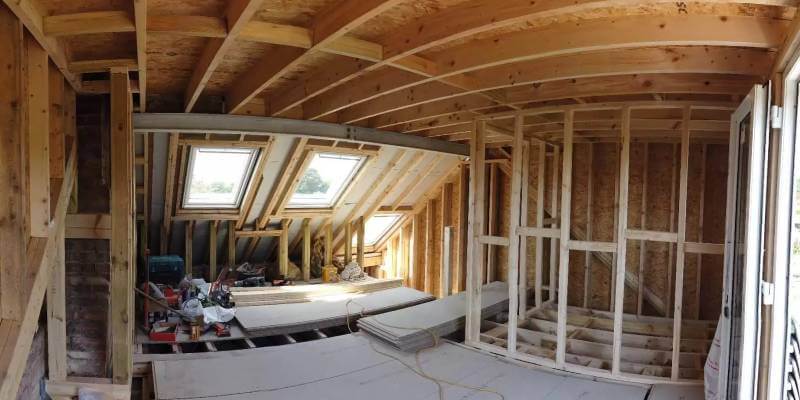
Once scaffolding is in place and materials have arrived, work can begin on the roof itself. During a hip to gable conversion, the sloped roof section is removed and replaced with a new vertical gable wall.
This is one of the most significant stages of the project and often involves:
- Strengthening the floor structure
- Installing steel beams
- Constructing the new gable wall
- Extending the roof ridge
- Making the structure weatherproof
At this stage, homeowners often begin to see just how much additional space is being created.
Roof & External Work
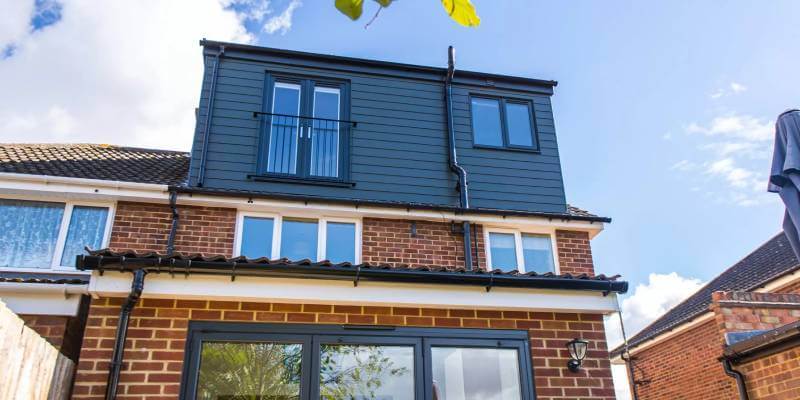
Once the structural framework is complete, attention turns to the exterior finish of the loft conversion. Matching roof tiles and external materials are used to ensure the conversion blends seamlessly with the original property.
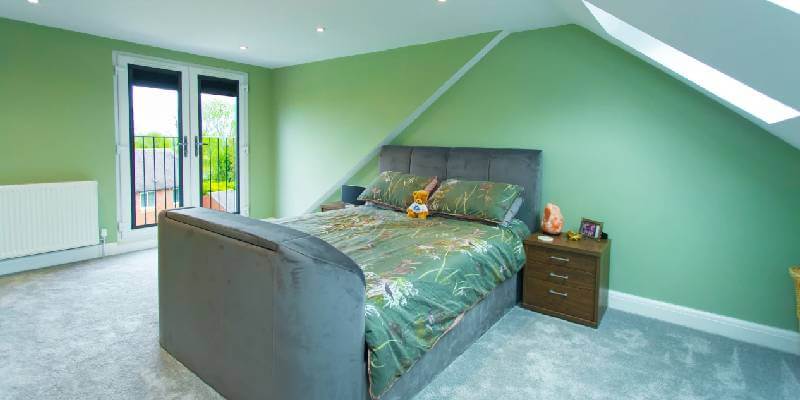
Many homeowners carrying out hip to gable conversions also choose to add:
- Rear dormers
- Rooflights
- Juliet balconies
- Additional windows
These additions can increase both natural light and usable floor space.
Internal Construction
After the external structure is complete, the inside of the loft begins to take shape. This stage includes:
- Installing insulation
- Building partition walls
- Plumbing installation
- Electrical installation
- Staircase construction
- Heating systems
This is often when the loft begins to feel like a genuine extension of the home rather than simply a construction site.
Plastering & Finishing
Towards the end of the project, plastering and decorating begin to transform the loft into a finished living space.
This stage usually includes:
- Plastering walls and ceilings
- Installing skirting boards
- Fitting doors
- Decorating
- Flooring installation
- Bathroom fitting if required
Finally, the project is inspected and signed off under building regulations before being handed over to the homeowner.
For more information about UK building regulations for loft conversions, homeowners can visit GOV.UK Building Regulations.
How Much Does A Hip To Gable Loft Conversion Cost?
One of the biggest considerations for homeowners planning a loft conversion is cost. Naturally, many people want to know whether the investment will be worthwhile and how much they should realistically budget for the project.
At DJ Moore Lofts, hip to gable loft conversions typically start from around £55,000 + VAT.
However, the final cost of your conversion will depend on several factors, including:
- The size of the property
- Whether a dormer is included
- The specification of materials
- Bathroom installation requirements
- Bespoke carpentry and storage
- Roofing complexity
- Structural work required
While this may initially sound like a significant investment, it’s important to remember that loft conversions are often considerably more affordable than moving house. When you factor in estate agent fees, stamp duty, solicitors, and removal costs, many homeowners find that converting their loft is the far more cost-effective option.
According to Nationwide adding an extra bedroom is the primary driver of value. Upgrading a two-bedroom property to a three-bedroom can add 10%–13% to the value, while expanding a three-bed to a four-bed can add an additional 9%–24%
Another major benefit of loft conversions is that they allow homeowners to remain in the area they already love. This is especially important for families who want to stay close to schools, workplaces, or local amenities.
At DJ Moore Lofts, we pride ourselves on offering transparent pricing with no hidden costs. Our team also provides free site surveys and fixed-price quotes so customers know exactly what to expect before work begins.
Some of the features that can impact pricing include:
En-Suite Bathrooms
Adding a bathroom to your loft conversion is one of the most popular upgrades because it allows the space to function as a complete master suite or guest room. However, plumbing installation and additional fixtures will naturally increase costs.
Dormer Extensions
Many homeowners combine a hip to gable conversion with a rear dormer to maximise available space. While this increases the overall cost, it can dramatically improve both practicality and property value.
Bespoke Storage Solutions
Custom wardrobes and storage built into the eaves are an excellent way to make use of awkward spaces while keeping the room uncluttered.
High-End Finishes
Premium flooring, skylights, lighting, and bespoke carpentry can all affect the project’s final cost.
At DJ Moore Lofts, we work closely with every homeowner to tailor each project around their needs, budget, and property layout. Whether you’re looking for a simple additional bedroom or a luxury master suite, our team can help bring your ideas to life.
Does A Hip To Gable Require Planning Permission?
One of the biggest concerns homeowners often have before starting a loft conversion is whether planning permission will be required.
The good news is that hip to gable loft conversions generally do not require full planning permission, as they are often permitted development. However, there are still strict rules and conditions that must be followed.
According to GOV.UK Permitted Development Guidance and Planning Portal, loft conversions must meet several conditions to qualify under permitted development rights.
Permitted Development Conditions
To avoid requiring full planning permission, your hip to gable extension must generally comply with the following:
- The additional roof volume cannot exceed 50m³ for detached and semi-detached homes
- Terraced properties are limited to 40m³
- The extension must not exceed the height of the existing roof
- Materials should closely match the existing property
- Raised balconies or verandas are not permitted
- Side-facing windows must usually be obscure-glazed
- The property must not already have exhausted its permitted development allowance
It’s also important to note that some properties may still require planning permission, including:
- Listed buildings
- Homes in conservation areas
- Flats or maisonettes
- Properties with previous roof extensions
Even when planning permission is not required, homeowners will still need building regulations approval to ensure the loft conversion is structurally safe and compliant.
At DJ Moore Lofts, we help homeowners navigate every stage of the approval process, including arranging lawful development certificates where required. This helps provide peace of mind that the conversion complies with local regulations.
If you are unsure whether your project requires planning permission, it is always worth speaking to an experienced loft conversion specialist before beginning any work.
Hip To Gable Loft Conversion Ideas
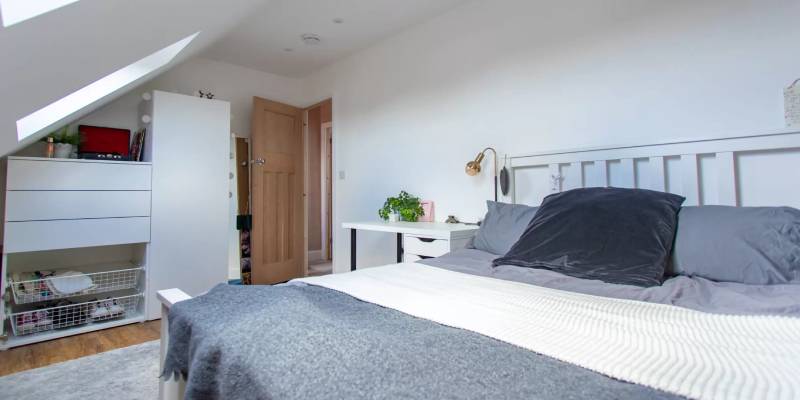
One of the most exciting parts of planning a loft conversion is deciding how the new space will actually be used. Because hip to gable conversions create significantly more headroom than many other loft conversion types, they offer exceptional flexibility in layout and design.
At DJ Moore Lofts, we’ve helped homeowners create everything from luxury master suites to practical family spaces through our loft conversions in Watford and the surrounding areas.
Here are some of the most popular hip to gable loft conversion ideas we regularly work on.
Master Bedroom With En-Suite
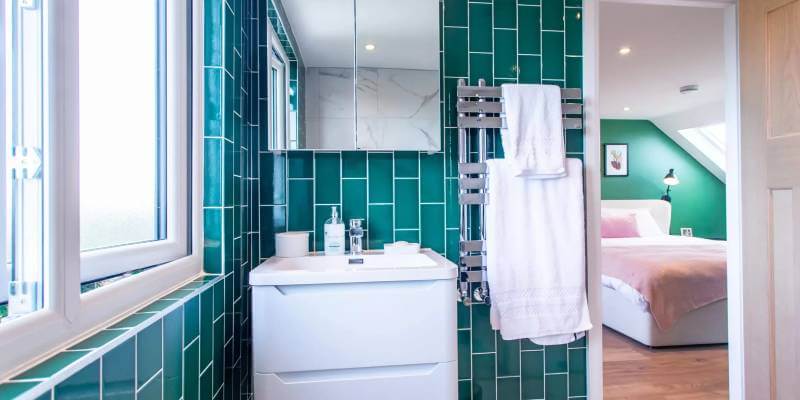
One of the most common uses for a hip to gable loft conversion is creating a spacious master bedroom complete with an en-suite bathroom.
The increased headroom created by the new gable wall allows enough space for:
- King-size beds
- Fitted wardrobes
- Dressing areas
- Skylights
- Large bathrooms
Many homeowners choose to position the bed at the highest point of the roof, using the eaves for custom storage.
This type of conversion is ideal for growing families who need additional bedrooms while also creating a more private space for parents.
Combined Hip To Gable & Rear Dormer
If you want to maximise your loft’s full potential, combining a hip to gable conversion with a rear dormer is often the best solution.
This combination creates a large rectangular floor plan capable of accommodating:
- Two double bedrooms
- Shared bathrooms
- Office spaces
- Walk-in wardrobes
At DJ Moore Lofts, we regularly combine these conversion styles to help homeowners maximise the living space from their existing roof structure.
Open-Plan Home Office
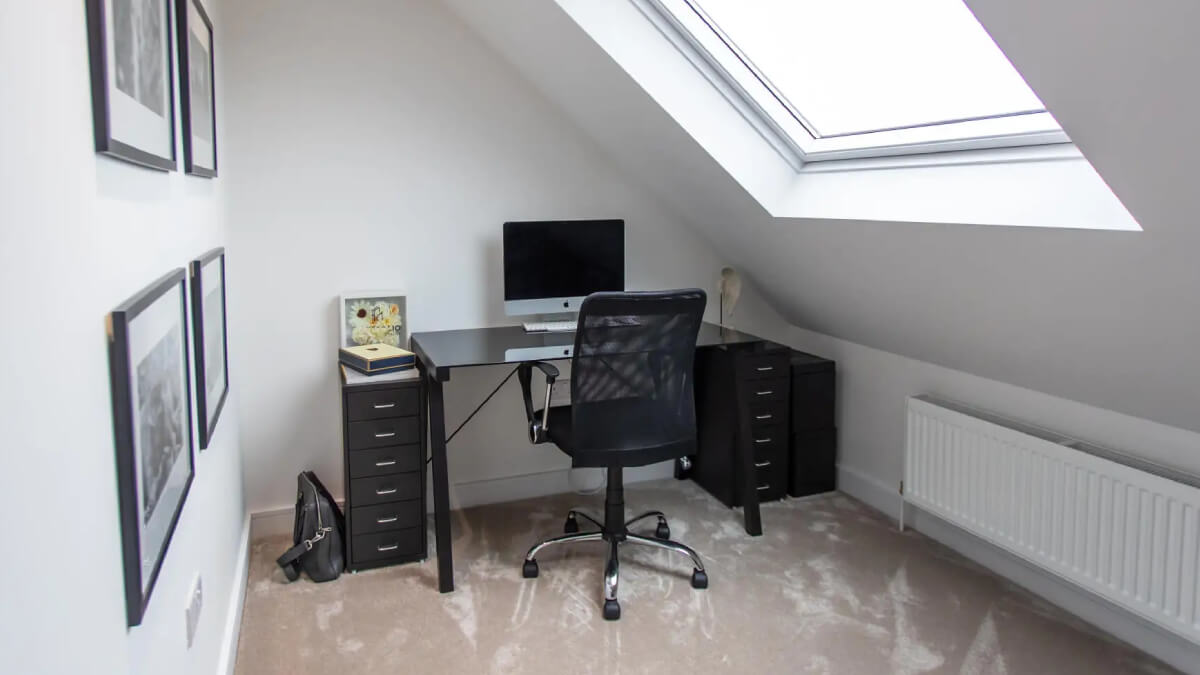
With more people now working remotely than ever before, home offices are among the most requested loft conversion ideas.
A hip to gable conversion creates the ideal environment for a bright, quiet workspace away from the busiest parts of the home.
Features often included in these spaces include:
- Large rooflights
- Bespoke shelving
- Built-in desks
- Feature windows
- Hidden storage within the eaves
Natural light plays a huge role in making these loft offices feel open and productive, which is why many homeowners choose to incorporate multiple skylights into the design.
Guest Bedroom
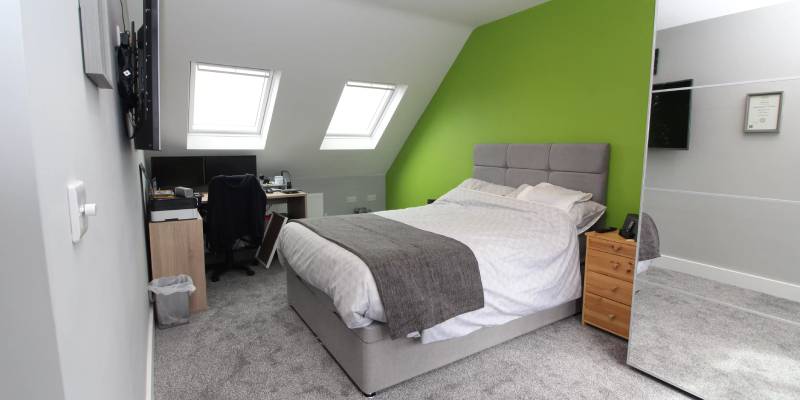
If you regularly have family or friends staying over, a loft conversion can create the perfect guest suite without sacrificing existing rooms elsewhere in the house.
A dedicated guest bedroom also adds flexibility for the future, allowing the space to evolve as your family’s needs change.
Children’s Bedrooms
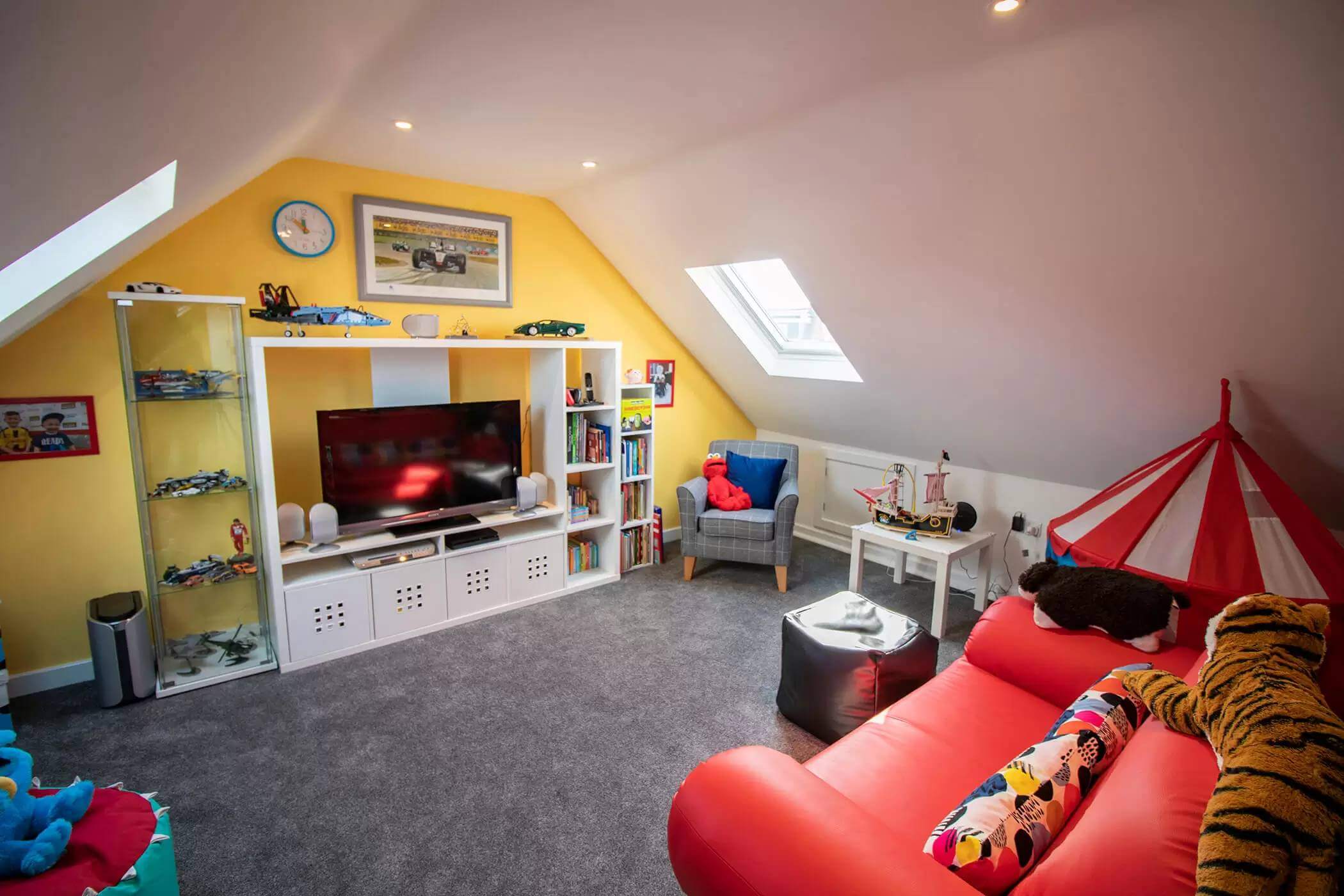
Many families choose loft conversions because they need additional bedrooms for growing children.
At DJ Moore Lofts, we’ve completed projects in which a single loft space has been transformed into multiple bedrooms, with shared bathrooms and storage areas.
This can completely transform the practicality of a home without the need to move to a larger property.
Why Choose DJ Moore Lofts?
At DJ Moore Lofts, we understand that choosing the right company for your loft conversion is a major decision. After all, this is a significant investment that will impact both your property and your day-to-day life.
That’s why we pride ourselves on delivering high-quality loft conversions alongside excellent customer service from start to finish.
Our team offers:
- Free site surveys
- Fixed-price quotes
- Design and planning support
- Plumbing and electrical services
- Bespoke carpentry
- Flooring installation
- Full project management
Over the years, we’ve built a strong reputation for delivering high-quality loft conversions in Watford, Milton Keynes, Berkhamsted, Bedford, and the surrounding areas. Our projects consistently combine practical design, quality workmanship, and minimal disruption for homeowners.
We also understand that every property is different. That’s why we tailor each loft conversion to the homeowner’s individual requirements rather than offering a one-size-fits-all approach.
Whether you’re considering a simple additional bedroom or a complete master suite transformation, our team can help you make the most of your loft space.
If you’re ready to explore your options for a hip to gable loft conversion, get in touch with DJ Moore Lofts today to arrange your free site survey and no-obligation quote